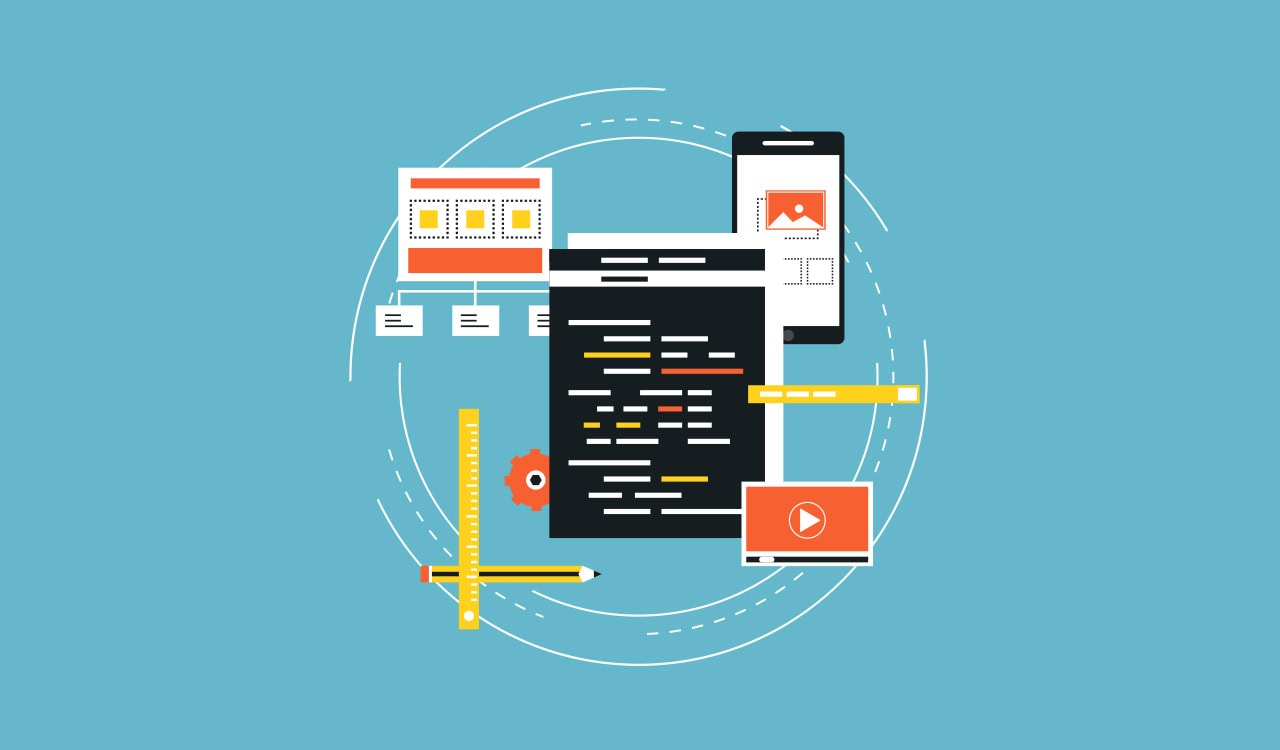

When it comes to web development, two main areas stand out: backend and frontend. These terms are often thrown around in tech circles, but what exactly do they mean? And why is it important to understand the distinction between them? In this article, we will dive deep into the world of backend and frontend development, exploring their differences, their roles, and how they work together to create seamless user experiences.
The Basics of Frontend Development
What is Frontend Development?
Frontend development is all about what users see and interact with on a website or application. It’s the client-side part of web development that deals with the visual aspects and user interface.
Key Technologies in Frontend
HTML, CSS, and JavaScript: These are the foundational technologies for frontend development. HTML provides the structure, CSS adds styling, and JavaScript brings interactivity.
Frontend Frameworks: React, Angular, Vue.js: Frameworks make development more efficient and organized. React, Angular, and Vue.js are among the most popular ones, each with its strengths and use cases.
Role of a Frontend Developer
A frontend developer is responsible for creating the layout, design, and interactive elements of a website or app. They ensure that users have a smooth and engaging experience.
The Basics of Backend Development
What is Backend Development?
Backend development, on the other hand, focuses on the server-side of applications. It deals with the logic, database interactions, and server configurations that power the frontend.
Key Technologies in Backend
Server, Database, and Application: Backend development involves managing servers, handling databases, and writing the application logic that connects everything.
Backend Frameworks: Node.js, Django, Ruby on Rails: These frameworks help developers build robust and scalable backend systems. Each has its own set of features and advantages.
Role of a Backend Developer
A backend developer is tasked with building and maintaining the technology that processes data and performs actions requested by the frontend. They ensure that everything runs smoothly behind the scenes.
Frontend vs Backend: Key Differences
Client-Side vs Server-Side
Frontend development is client-side, meaning it runs on the user’s device. Backend development is server-side, meaning it runs on a server and communicates with the client’s device.
User Experience vs Data Management
Frontend developers focus on user experience and interface design. Backend developers focus on data management, server logic, and integration with other systems.
Languages and Frameworks
Frontend developers typically use HTML, CSS, and JavaScript. Backend developers might use languages like Python, Ruby, PHP, and frameworks like Node.js, Django, and Ruby on Rails.
Performance and Security Considerations
Frontend performance involves optimizing loading times and responsiveness. Backend performance involves ensuring efficient data processing and server response times. Both areas also have unique security challenges to address.
How Frontend and Backend Work Together
The Importance of Collaboration
Successful web development requires seamless collaboration between frontend and backend developers. They must communicate effectively to ensure that the frontend and backend integrate well.
Common Communication Protocols: REST, GraphQL
Protocols like REST and GraphQL are used to facilitate communication between frontend and backend. They define how data is requested and transmitted.
Tools and Practices for Effective Collaboration
Tools like Git for version control, Docker for containerization, and continuous integration/continuous deployment (CI/CD) pipelines help streamline collaboration.
Frontend Development: Deep Dive
Advanced CSS Techniques
CSS has evolved significantly, offering advanced techniques like Flexbox, Grid, and animations. These allow for more dynamic and responsive designs.
JavaScript ES6 and Beyond
JavaScript is constantly evolving. ES6 brought many improvements like arrow functions, classes, and template literals. Staying updated with these changes is crucial for frontend developers.
Building Single Page Applications (SPAs)
SPAs are web applications that load a single HTML page and dynamically update content as the user interacts with the app. Frameworks like React and Angular are commonly used for building SPAs.
Frontend Performance Optimization
Optimizing frontend performance involves techniques like lazy loading, minifying resources, and using content delivery networks (CDNs) to ensure fast and smooth user experiences.
Backend Development: Deep Dive
Database Management and Optimization
Backend developers work with databases to store and retrieve data. This includes designing efficient schemas, indexing, and query optimization to ensure fast data access.
Server-Side Scripting
Server-side scripting involves writing code that runs on the server to handle business logic, interact with databases, and process user requests. Common languages include Python, PHP, and JavaScript (Node.js).
RESTful API Development
APIs allow different parts of an application to communicate. RESTful APIs follow a set of conventions that make it easier to create and consume APIs. This is a core aspect of backend development.
Backend Security Best Practices
Security is paramount in backend development. Implementing best practices like encryption, secure authentication, and regular security audits helps protect data and applications from threats.
The Role of APIs in Connecting Frontend and Backend
What is an API?
An API (Application Programming Interface) is a set of rules that allows different software entities to communicate with each other. It acts as an intermediary between the frontend and backend.
How APIs Facilitate Communication
APIs define the methods and data formats that applications use to request and exchange data. This enables the frontend to access backend services seamlessly.
Popular API Standards
REST and GraphQL are popular standards for designing APIs. REST is known for its simplicity and wide adoption, while GraphQL offers more flexibility in querying data.
The Importance of Version Control
Introduction to Version Control Systems
Version control systems (VCS) like Git track changes to code over time. They allow developers to collaborate, revert to previous versions, and manage code efficiently.
How Version Control Benefits Both Frontend and Backend Development
Using VCS, developers can work on separate branches, merge changes, and resolve conflicts. This improves collaboration and reduces the risk of errors.
Popular Version Control Tools: Git, SVN
Git is the most widely used VCS, known for its distributed nature and powerful features. Subversion (SVN) is another popular tool, though less commonly used today.
Frontend and Backend Testing
Importance of Testing in Development
Testing ensures that code works as expected and helps identify bugs early. It’s a critical part of the development process for both frontend and backend.
Types of Testing: Unit, Integration, End-to-End
Unit Testing: Tests individual components in isolation. Integration Testing: Tests how different components work together. End-to-End Testing: Tests the entire application flow from start to finish.
Tools for Frontend Testing
Tools like Jest, Mocha, and Selenium are commonly used for frontend testing. They help ensure that the user interface behaves correctly.
Tools for Backend Testing
Tools like JUnit, pytest, and Postman are used for backend testing. They help validate the logic, data processing, and API functionality.
Common Challenges in Frontend Development
Cross-Browser Compatibility
Ensuring that a website works across different browsers can be challenging. Developers must test and adjust their code to handle discrepancies in browser behavior.
Responsive Design
Creating designs that work on various screen sizes and devices requires careful planning and testing. Tools like media queries and frameworks like Bootstrap help achieve responsiveness.
Performance Issues
Optimizing frontend performance involves minimizing load times, reducing resource usage, and ensuring smooth interactions. Techniques like lazy loading and code splitting are essential.
Common Challenges in Backend Development
Scalability
As applications grow, backend systems must handle increased loads. Designing scalable architectures and optimizing performance are key challenges for backend developers.
Data Security
Protecting sensitive data is a top priority. Implementing encryption, secure authentication, and regular security audits are essential to safeguard against breaches.
Integration with Third-Party Services
Integrating with external services like payment gateways, social media platforms, and other APIs requires careful planning and handling of potential issues like downtime and API changes.
Conclusion
Understanding the differences between backend and frontend development is crucial for anyone involved in web development. Each plays a vital role in creating functional, efficient, and user-friendly applications. By working together and leveraging their unique strengths, frontend and backend developers can deliver seamless and engaging user experiences. Working with a team that understands your needs thoroughly and can offer suggestions to enhance your web development process is crucial. Collaboration that ensures seamless integration of your requirements is one of the key aspects to elevate your organization to the next level. The importance of websites and the performance of the team creating them are critical in advancing your establishment. If you wish to collaborate with such a team, you can reach out to us here.
FAQs
What is the main difference between frontend and backend development?
Frontend development focuses on the visual and interactive aspects of a website, while backend development deals with server-side logic, databases, and application functionality.
Can a developer specialize in both frontend and backend?
Yes, a developer who specializes in both frontend and backend is known as a full stack developer. They can handle all aspects of web development.
What are some popular frontend frameworks?
Popular frontend frameworks include React, Angular, and Vue.js. These tools help developers build dynamic and responsive user interfaces.
What are some popular backend frameworks?
Popular backend frameworks include Node.js, Django, and Ruby on Rails. These frameworks facilitate server-side development and database interactions.
How do frontend and backend developers collaborate?
Frontend and backend developers collaborate through clear communication, shared documentation, and using tools like version control and continuous integration to ensure seamless integration.
What skills are essential for a frontend developer?
Essential skills for a frontend developer include proficiency in HTML, CSS, JavaScript, and an understanding of design principles and user experience.
What skills are essential for a backend developer?
Essential skills for a backend developer include knowledge of server-side languages, database management, API development, and understanding server architecture.
Is it better to be a frontend developer, backend developer, or full stack developer?
It depends on your interests and career goals. Frontend focuses on user interfaces, backend on server logic, and full stack covers both. Each has its own advantages and opportunities.
How do APIs connect frontend and backend?
APIs (Application Programming Interfaces) define how frontend and backend systems communicate, allowing the frontend to request and receive data from the backend.
What are the career prospects for frontend and backend developers?
Both frontend and backend developers have strong career prospects, with opportunities for advancement to senior roles, specialization, or transitioning into full stack development.








Comments (0)